Knowledge Base
A comprehensive guide to fish keeping, from beginner steps to scientific understanding.
The Fish Keeping Cycle
1. Preparation
Setup tank, water, and filtration
2. Raising
Selection, quarantine, and feeding
3. Maintaining
Routine care, observation, and treatment
1. Preparation
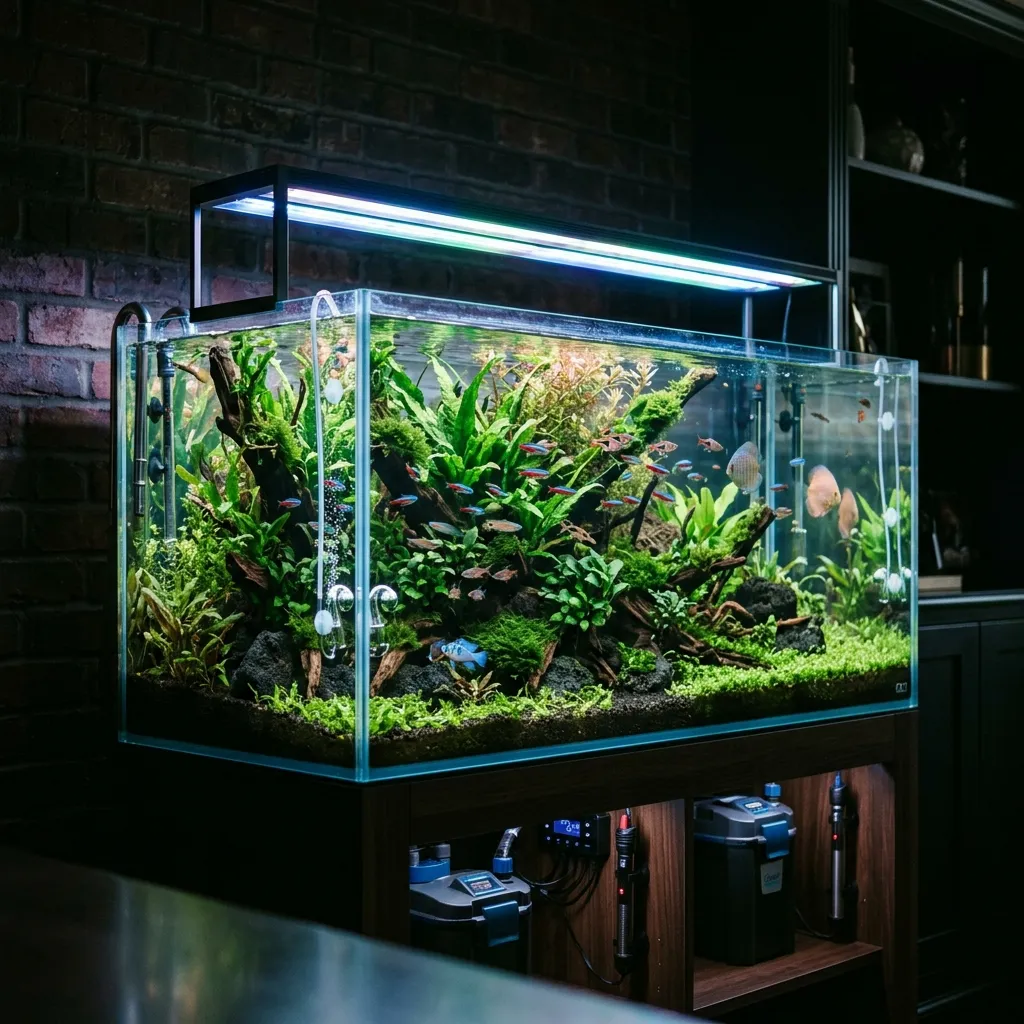
1. Habitat Preparation
Choose the right container (glass tank, fiberglass basin, or concrete pond) based on the fish species and expected adult size. Ensure the location avoids direct sunlight to prevent excessive algae growth and temperature fluctuations. A sturdy stand is also crucial, as water is extremely heavy.
Proper water volume provides 'Thermal Buffering', reducing rapid temperature swings that stress fish. Larger volumes of water dilute toxins more effectively.
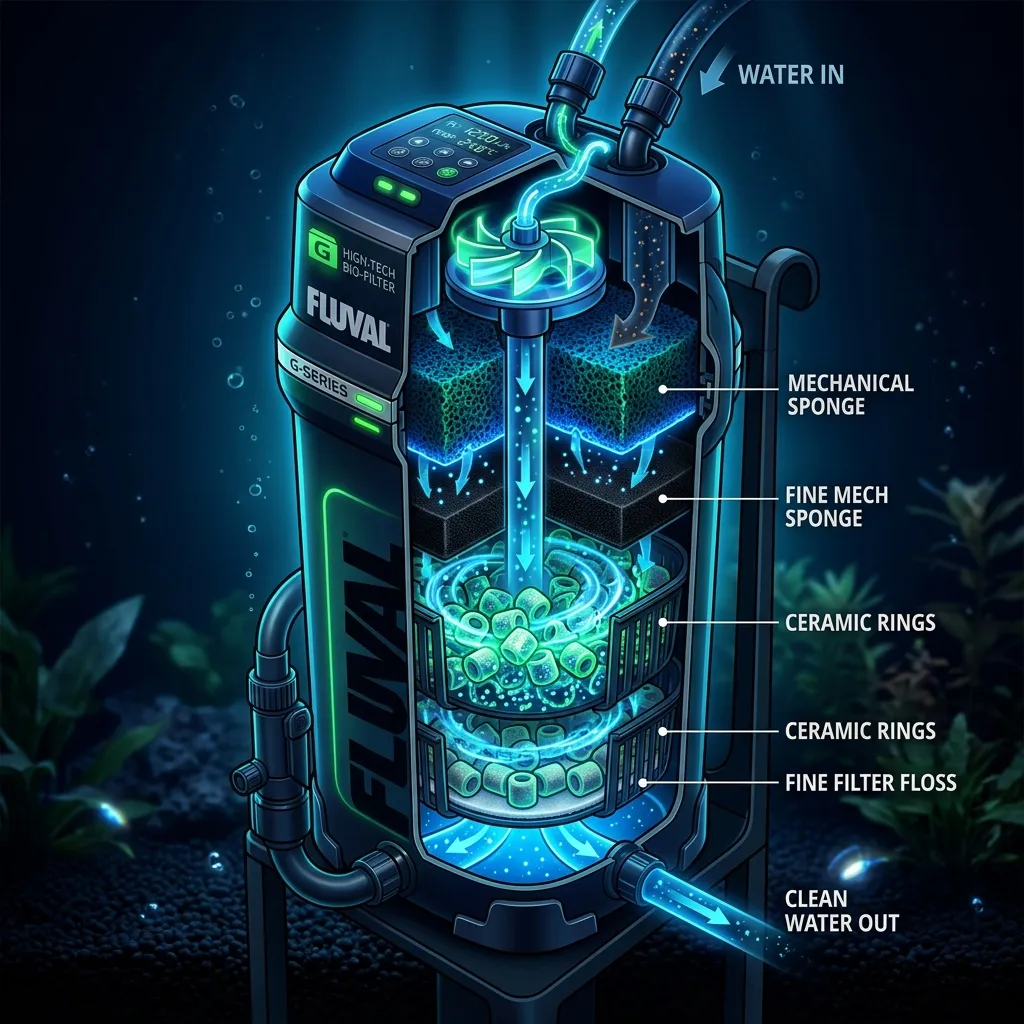
2. Filtration System Knowledge
A proper filter is the heart of the tank. It must turn over the tank's water volume 3-5 times per hour. Canister filters are great for large tanks, while sponge filters work well for breeding. Never rely solely on a water pump without filter media.
A complete system requires Mechanical filtration (sponges) to trap debris, and Biological filtration (ceramic rings, bio-balls) providing extreme surface area for nitrifying bacteria to colonize.
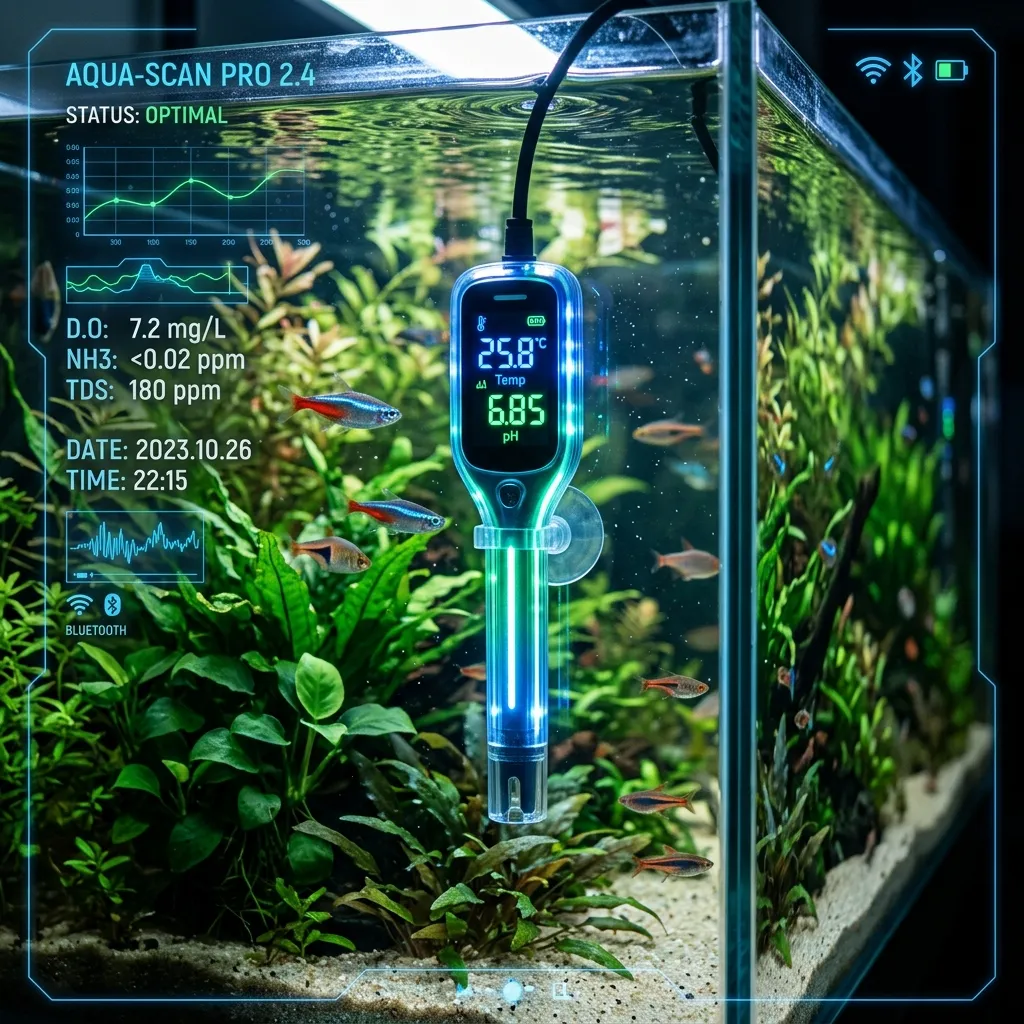
3. Optimal Water Parameters
Maintain stable parameters. Tropical fish prefer 24-28°C, while goldfish thrive in cooler water (18-22°C). Keep pH between 6.5 and 8.0 depending on the species. Rapid swings are more dangerous than slightly imperfect but stable numbers.
Higher temperatures decrease dissolved oxygen capacity while increasing fish metabolic rates and ammonia toxicity. pH affects the ratio of toxic ammonia (NH3) to non-toxic ammonium (NH4+).
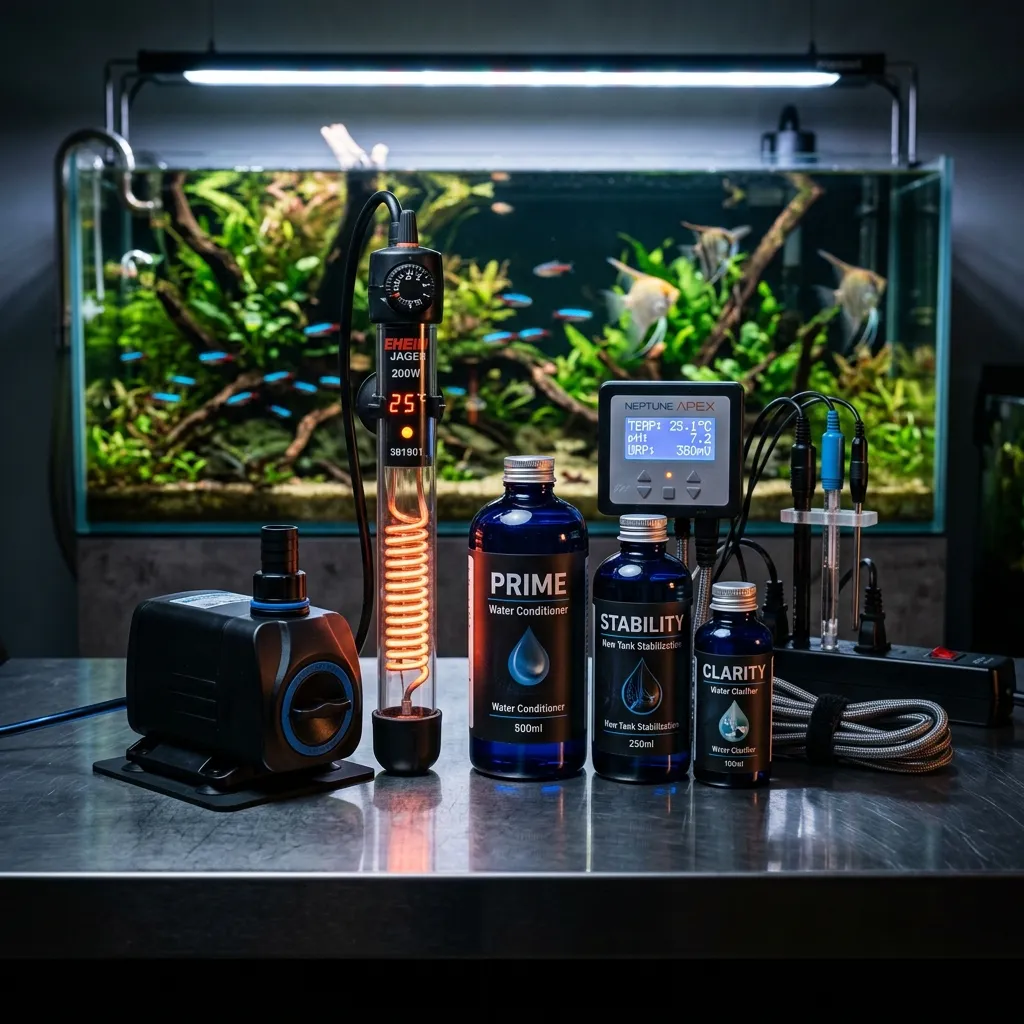
4. Water & Equipment
Install your equipment (heater, filter, lights) and use dechlorinated water. You can age tap water for 24-48 hours with aeration, or use a water conditioner to neutralize chlorine and chloramines instantly.
Chlorine and Chloramines added to municipal water supplies instantly damage delicate fish gill tissues and permanently destroy biological filter colonies.
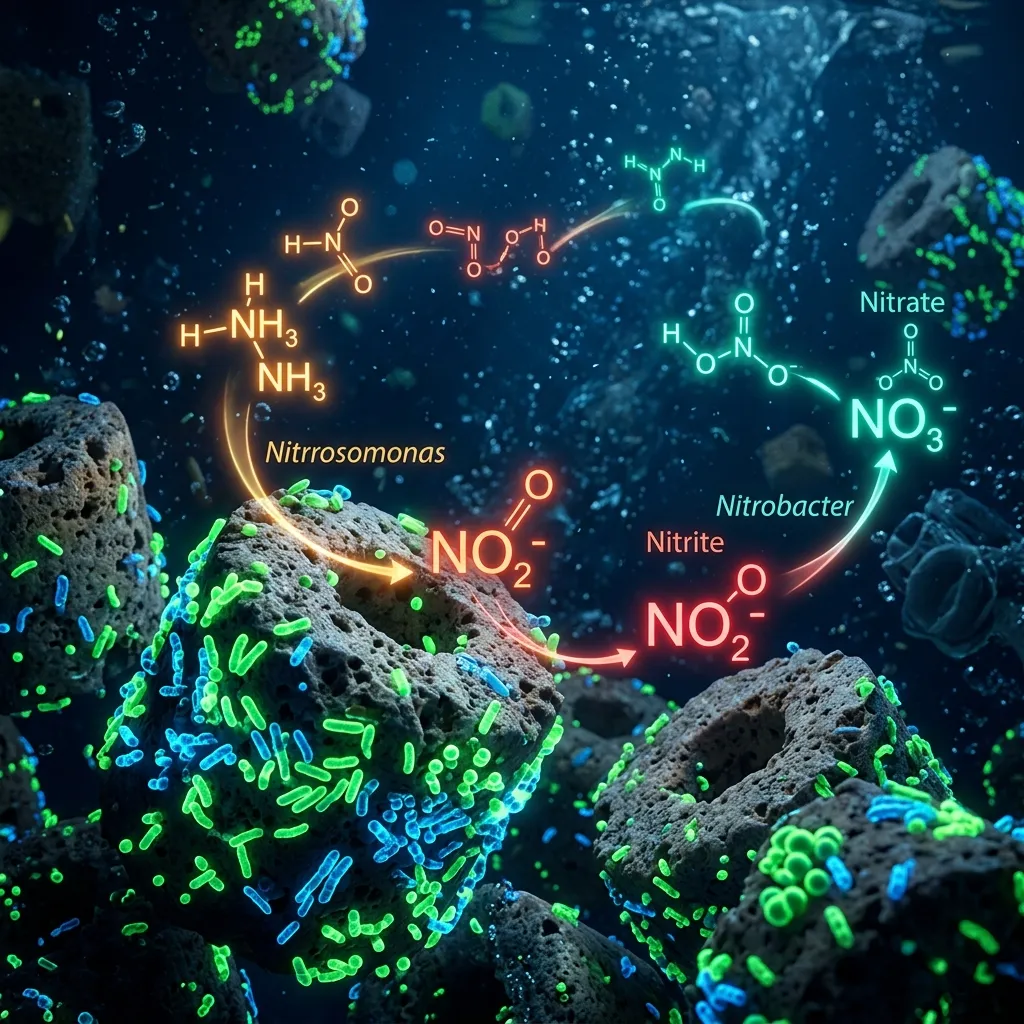
5. Water Cycling
Before adding fish, run the empty tank with the filter on for 1-4 weeks. You can kickstart the process by adding bottled beneficial bacteria or a tiny amount of fish food to create ammonia, allowing the filter to mature and establish a stable ecosystem.
Establishing the Nitrogen Cycle: Nitrifying bacteria (Nitrosomonas and Nitrobacter) naturally convert highly toxic Ammonia (NH3) to Nitrite (NO2), and finally to less toxic Nitrate (NO3).
2. Raising
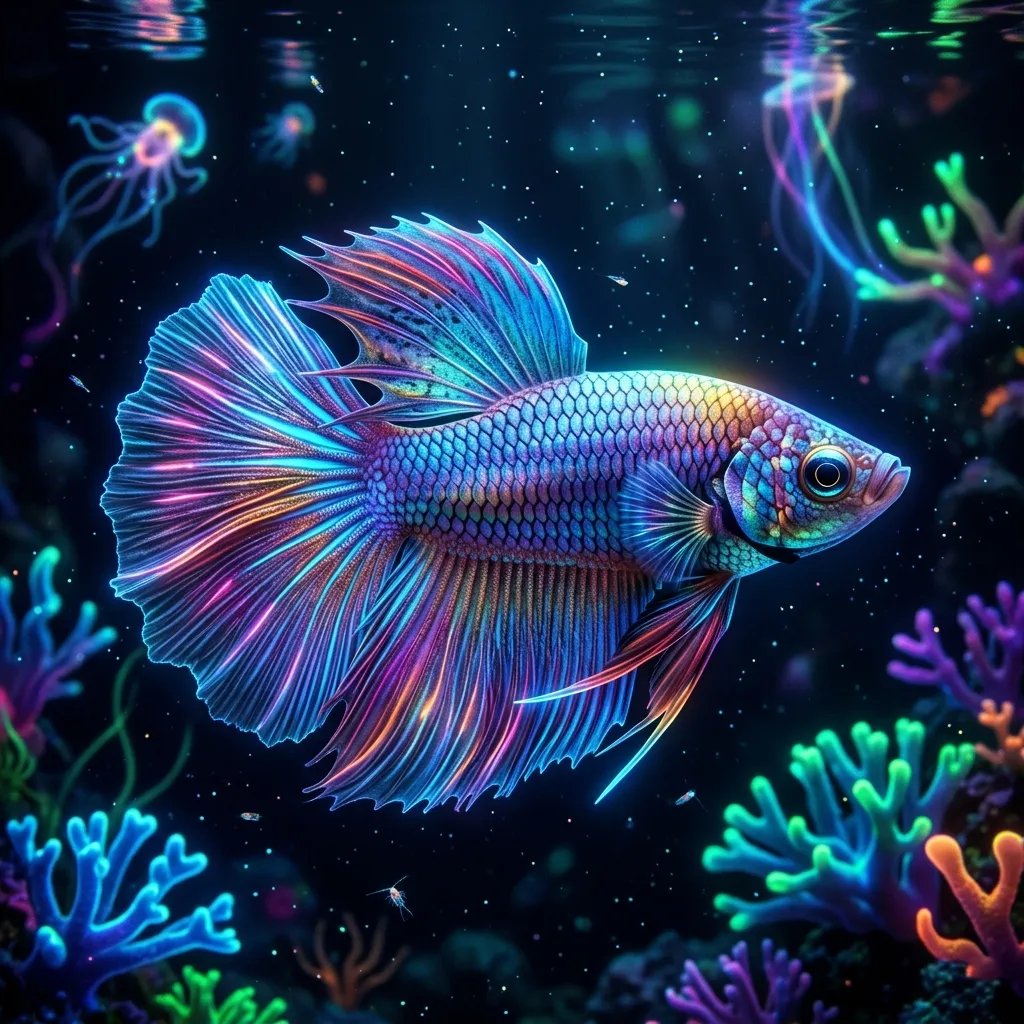
6. Fish Selection
Choose active, alert fish that swim smoothly. Look for clear fins, bright eyes, and intact scales. Avoid fish hanging at the surface, sitting at the bottom, or showing signs of white spots and torn fins. Check that the store's tanks are clean.
Avoiding lethargic fish prevents introducing harmful pathogens, parasites, and systemic infections into your clean, newly established system.
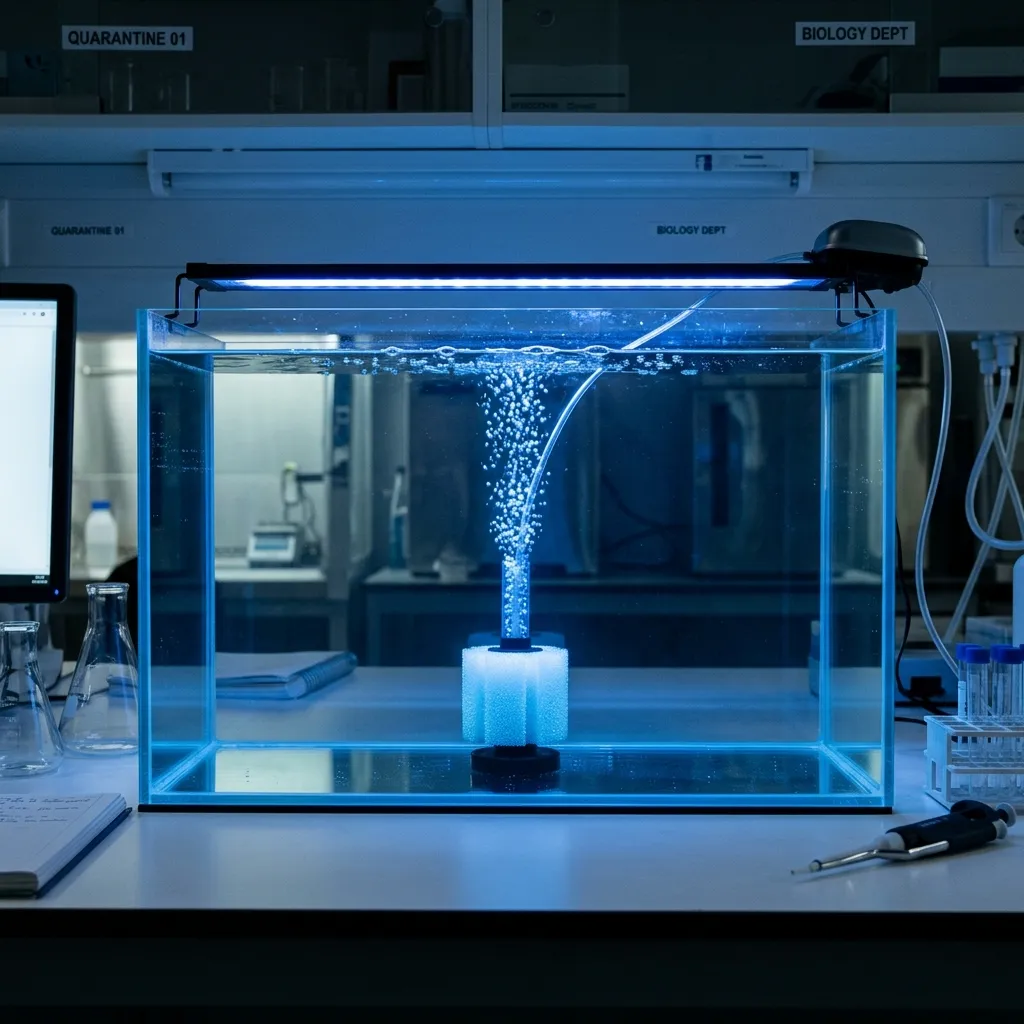
7. Quarantine
Never add new fish directly to your main display tank. Keep them in a separate, bare-bottom quarantine tank for 7-14 days. Observe their eating habits and behavior. This is also the time to administer preventative antiparasitic treatments if needed.
A standard Biosecurity protocol. Quarantining prevents the catastrophic spread of latent infectious diseases to your existing, healthy livestock.
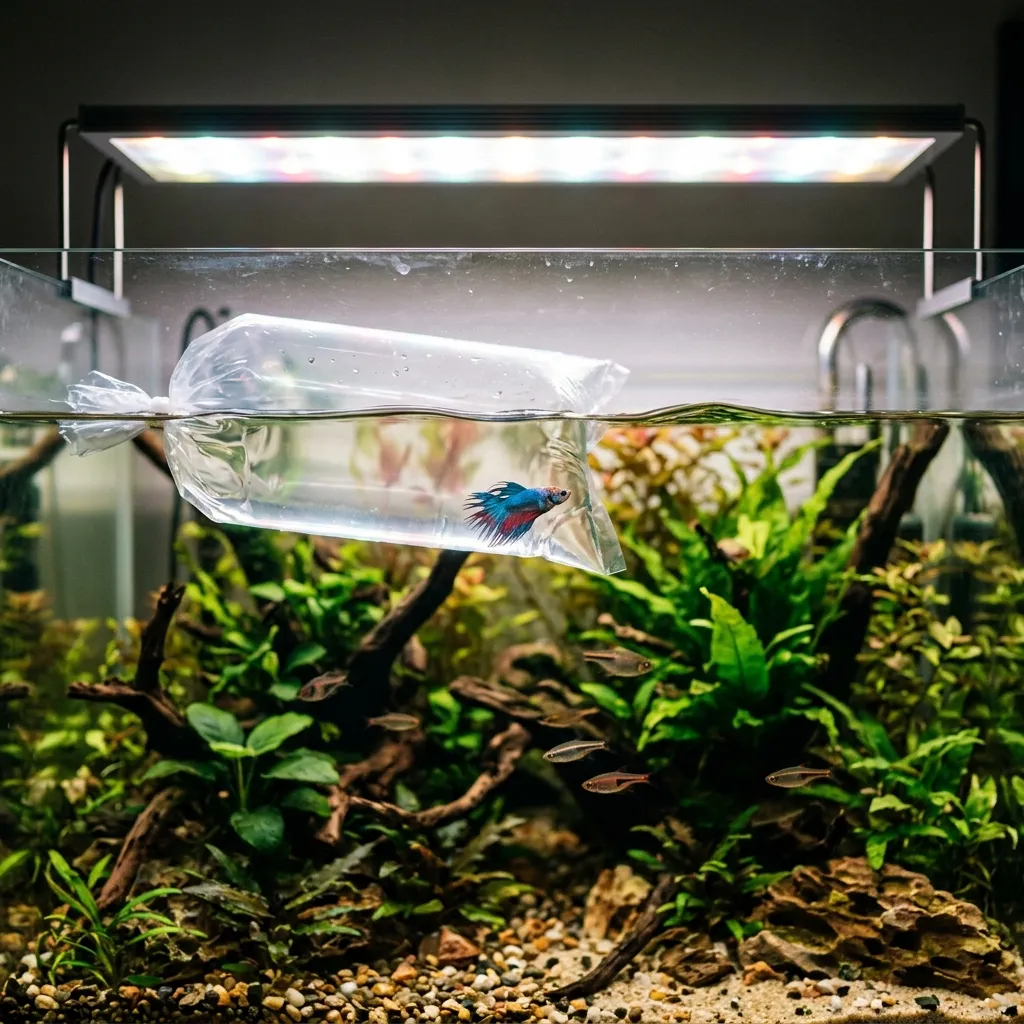
8. Acclimation
Float the unopened bag in the tank for 15-30 minutes to equalize the temperature. Then, open the bag and gradually add small amounts of tank water into it over another 15 minutes. Finally, net the fish out—do not pour the store water into your tank.
Gradual acclimation prevents severe physiological distress and immune system crashes caused by Temperature Shock and Osmotic/pH Shock.
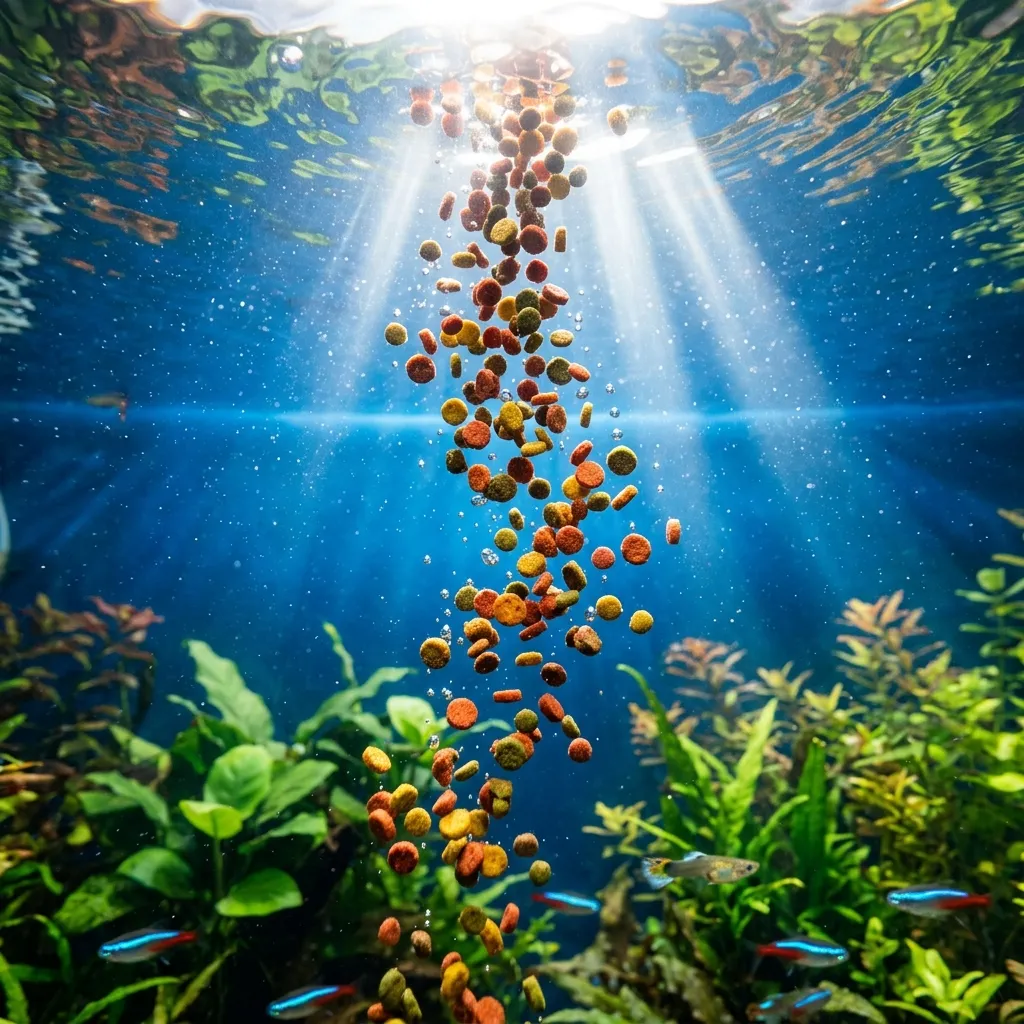
9. Feeding
Feed 1-2 times daily, offering only what the fish can consume completely within 2-3 minutes. Vary their diet with high-quality pellets, frozen foods, or live foods for optimal nutrition. When in doubt, it's better to underfeed than overfeed.
Uneaten food and excessive fish waste decay rapidly, causing an Ammonia Spike that degrades water quality and toxifies the fish's bloodstream.
3. Maintaining
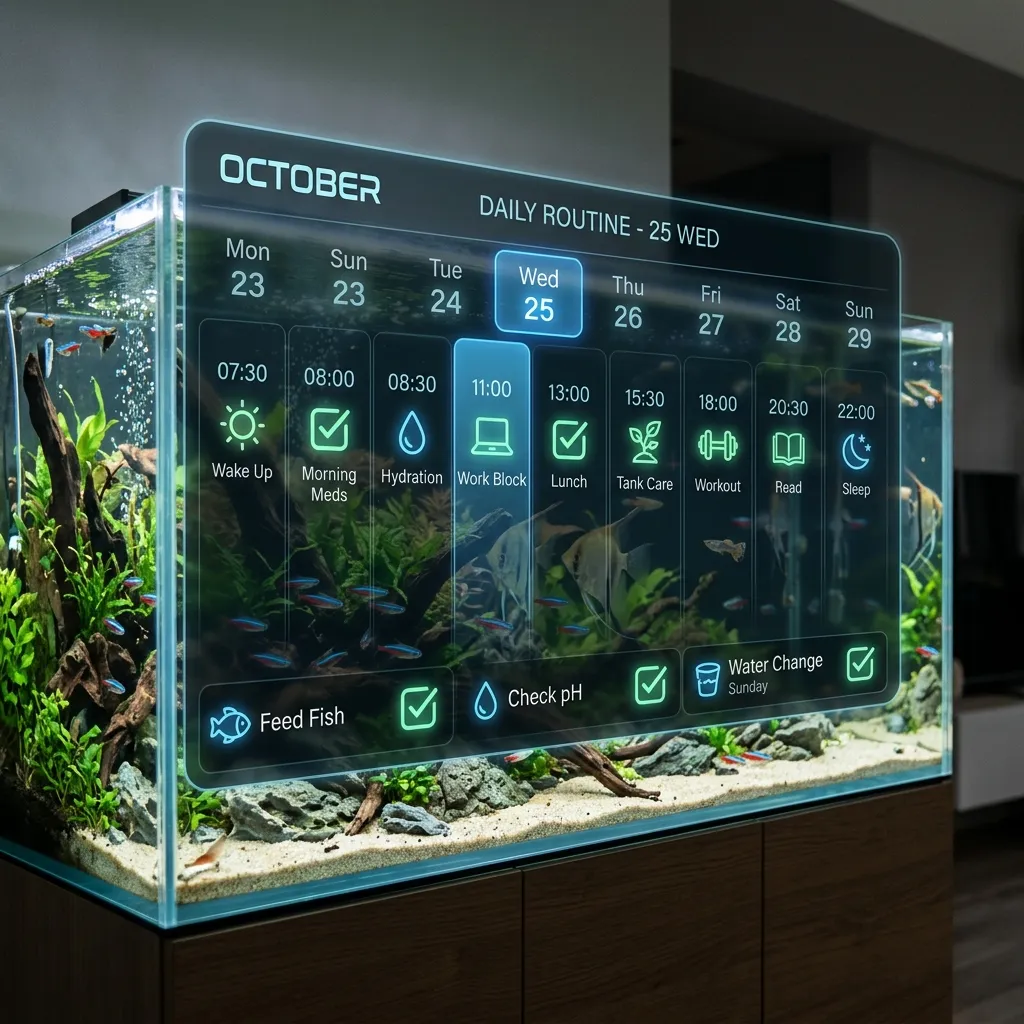
10. Maintenance Cycle
Develop a routine: Observe your fish daily during feeding. Clean the glass and scrub algae weekly. Inspect your equipment for malfunctions regularly.
Consistent routine maintenance ensures long-term Water Quality Stability and prevents Old Tank Syndrome, where pH drops drastically over time.
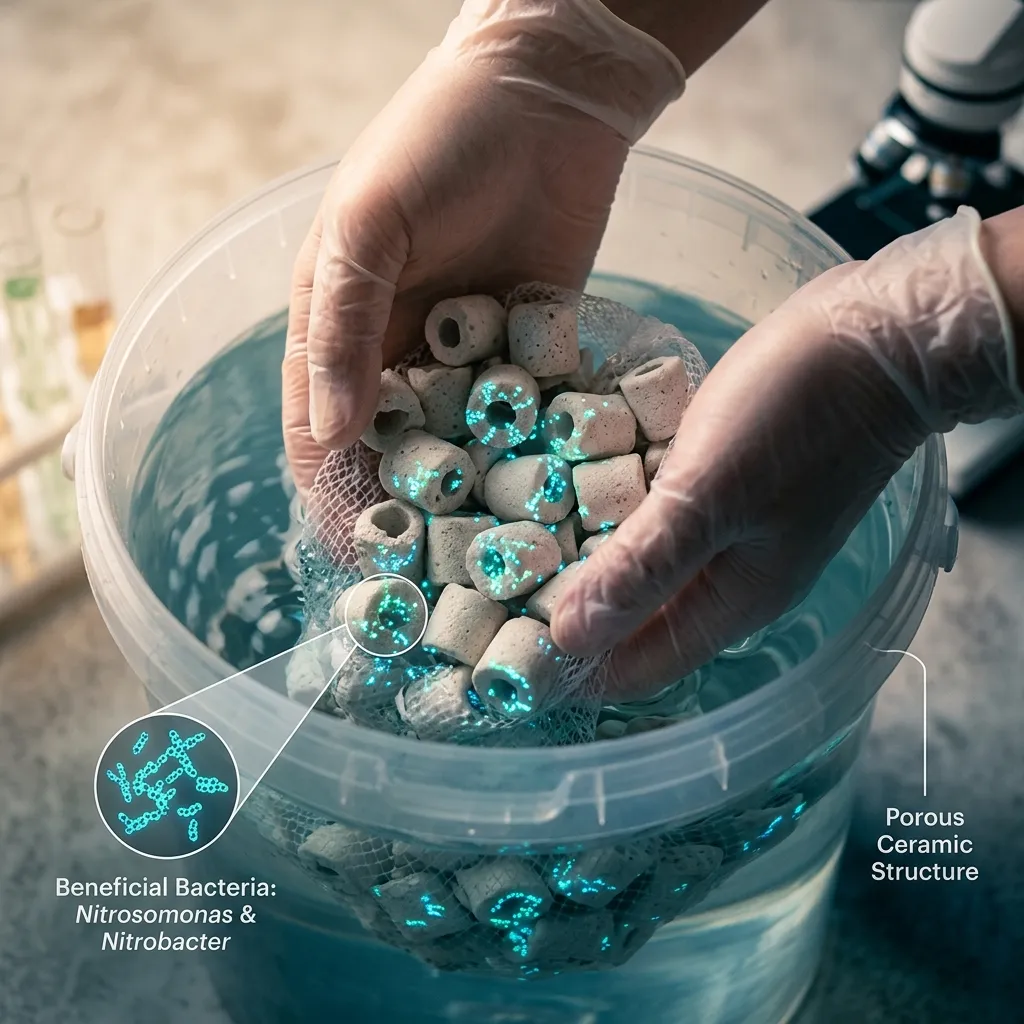
11. Proper Filter Cleaning
Wash mechanical sponges weekly. Gently rinse biological media (ceramic rings) monthly using ONLY tank water. Never scrub bio-media or wash it under tap water.
Washing biological media in chlorinated tap water instantly decimates the nitrifying bacteria colonies, causing a deadly tank crash and ammonia spike.
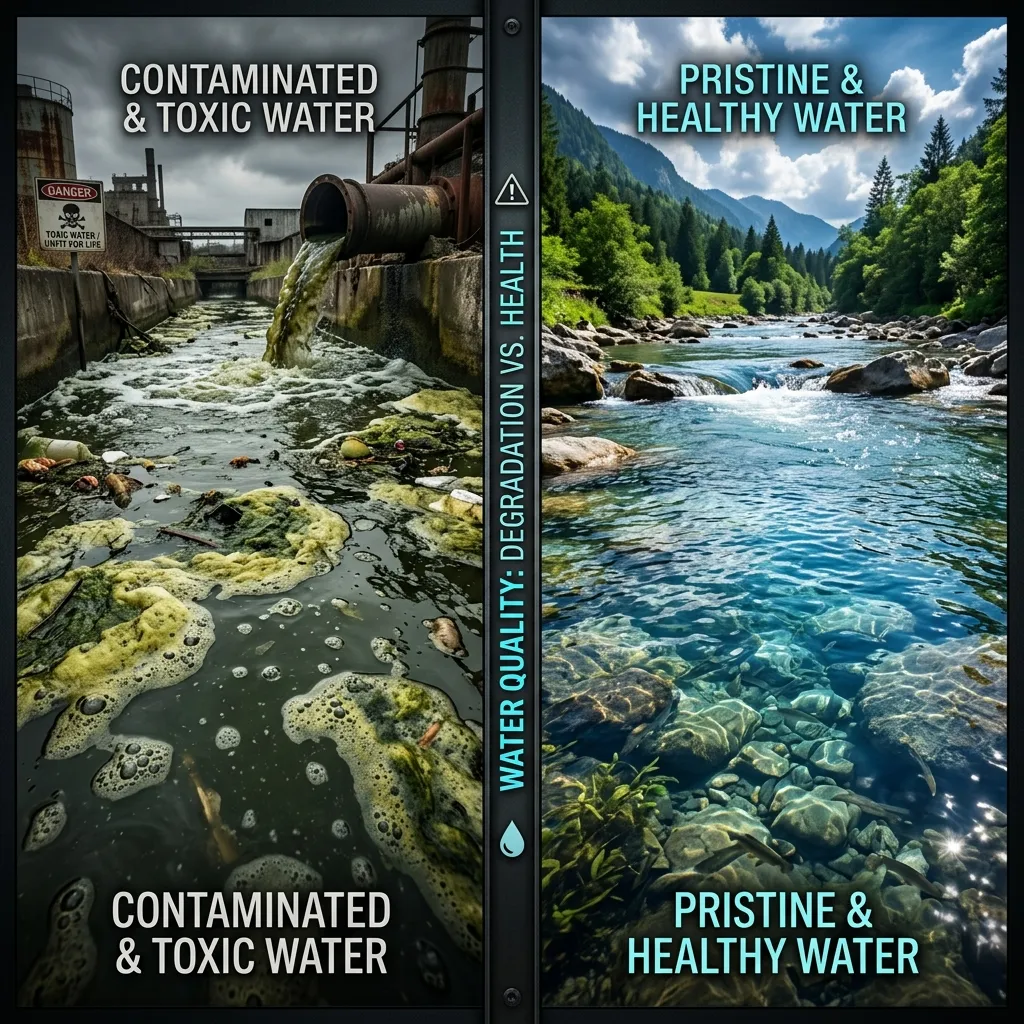
12. Handling Bad Water
Signs of bad water include cloudiness, foul smell, and lingering foam. Causes are usually overfeeding or a dead fish. Immediately change 30-50% of the water, increase aeration, and stop feeding for a few days.
Cloudy water is often a Heterotrophic Bacteria Bloom responding to excess dissolved organics. Increased aeration compensates for the oxygen these bacteria consume.
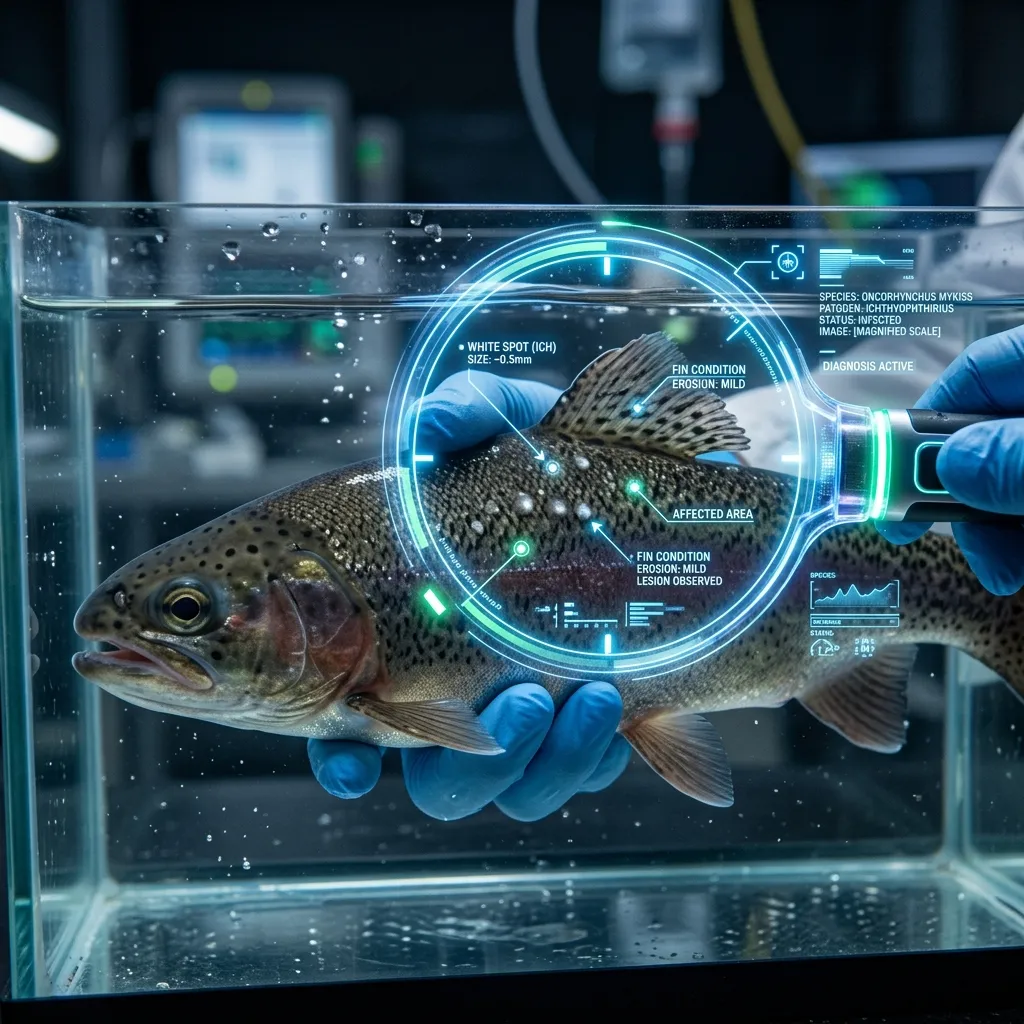
13. Spotting Illness
Early detection is key. Watch for fish gasping at the water surface, rubbing against decorations, lethargy, white salt-like spots on the body, clamped fins, cloudy eyes, or sudden loss of appetite. Isolate unusual fish immediately.
Early identification of pathogens like Ichthyophthirius multifiliis (Ich), columnaris, or internal parasites dramatically increases survival and recovery rates.
14. Treatment
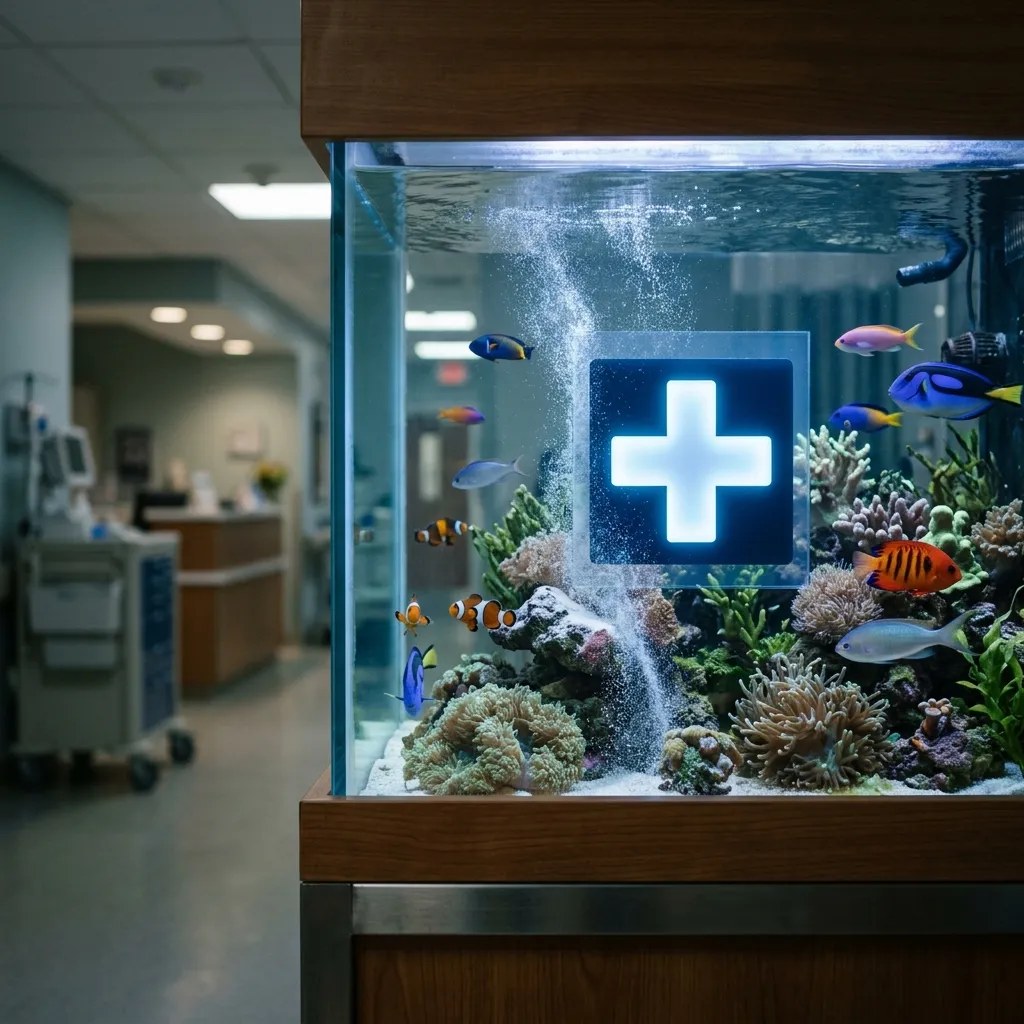
Move sick fish to a hospital tank. Perform a partial water change. As a first-line defense, you can add aquarium salt (0.1%-0.3% concentration). Stop feeding during treatment, raise the temperature slightly if dealing with Ich, and use specific medications only after a clear diagnosis.
Sodium Chloride (NaCl) addition lowers Osmoregulatory Stress, helping the fish allocate its limited energy to its immune response rather than maintaining fluid balance.
15. Water Changes
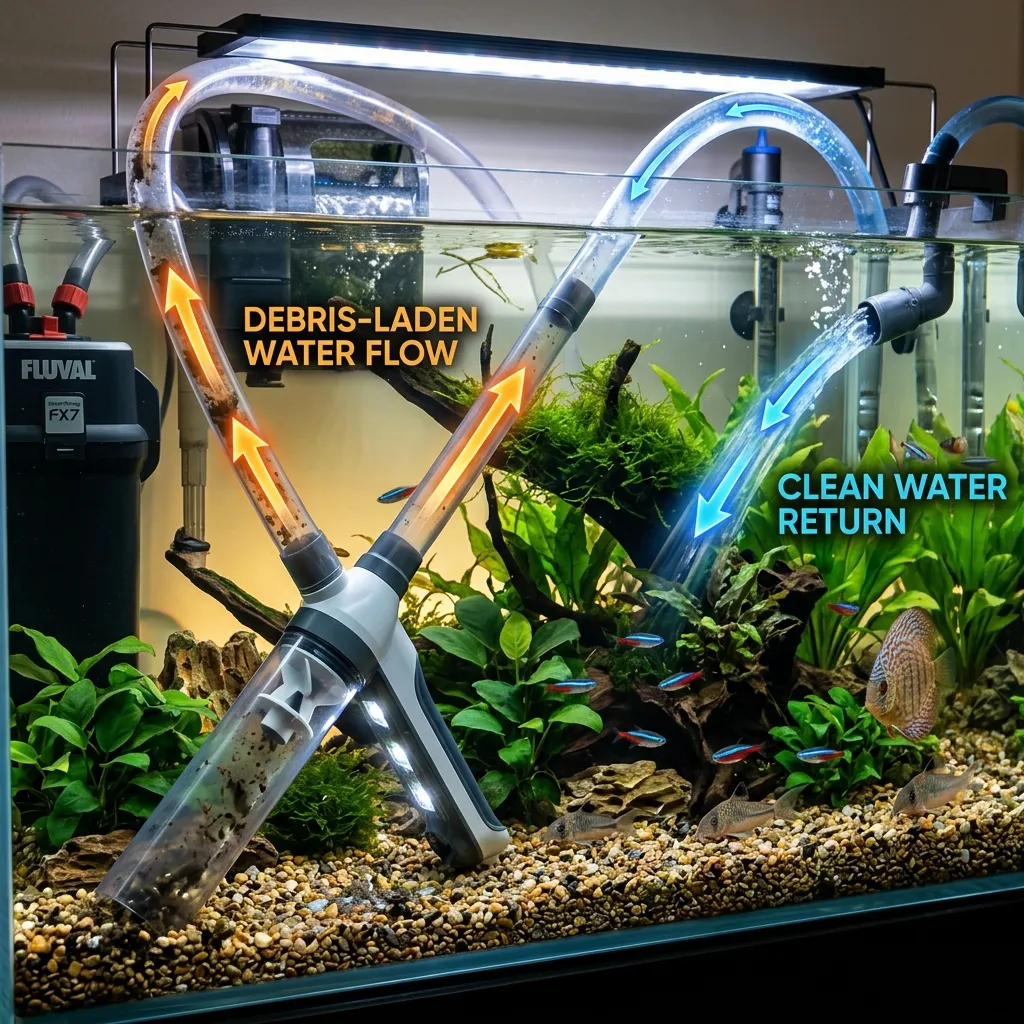
Change 20-30% of the tank water every 1-2 weeks using a gravel vacuum to remove waste from the bottom. Refill with aged, dechlorinated water that matches the tank's temperature. Never change 100% of the water, as it destroys the ecosystem.
Partial water changes are the only effective way to physically export accumulated Nitrates (NO3) and growth-inhibiting hormones, while replenishing depleted essential trace minerals.